
 By
By 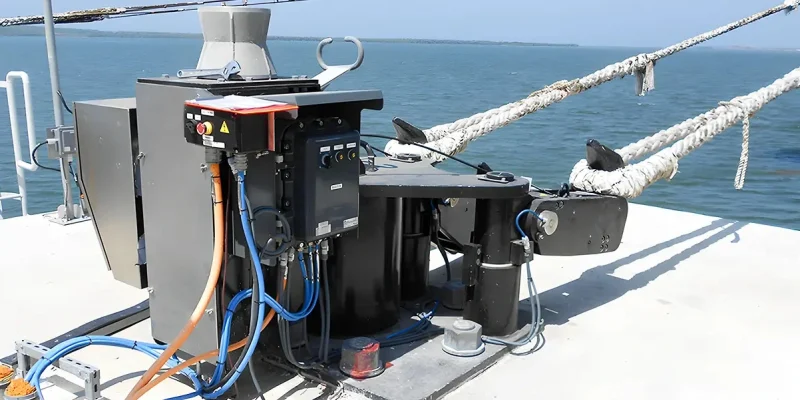
In the demanding world of maritime engineering, the security of a vessel at berth is a science of tension management. As ships continue to grow in size and the environmental conditions at ports become more unpredictable, the traditional bollard and rope method is often insufficient for high-capacity terminals. This has led to the widespread adoption of the quick release mooring hook (QRMH), a sophisticated mechanical system designed to hold massive vessels securely while allowing for an instantaneous release in the event of an emergency. For harbor masters and offshore operators, selecting a high-performance system is a critical safety decision.
A specialized quick release boat hook or mooring system must be able to withstand hundreds of tons of pulling force while remaining easy to operate. In 2026, these systems have evolved to include integrated sensors and remote-release capabilities, moving the mooring process from a manual, high-risk activity to a digital, high-precision operation. Whether you are managing a busy container terminal or a specialized LNG berth, understanding the essential features of a quick release mooring hook is vital for protecting both the port infrastructure and the vessels it serves.
Advanced Load Monitoring and Telemetry
The most critical feature of a modern quick release mooring hook is integrated load cell technology. These sensors provide real-time data on the tension of each mooring line, which is then displayed on a central dashboard for the harbor team. If the tension exceeds a safe limit due to swell or wind, the system triggers an alarm, allowing the crew to adjust the lines before a failure occurs. This data-driven approach is a standard requirement for high-performance quick release boat hook systems, ensuring that the vessel stays perfectly positioned for loading and unloading.
Remote Release and Fail-Safe Mechanisms
In the event of a fire, a sudden storm, or a chemical leak, the ability to release a ship from its berth instantly can prevent a catastrophe. High-performance quick release mooring hook units feature a remote-release system that can be activated from the jetty or the control room. It is essential to look for a “fail-safe” design, where the hook can be released manually even if there is a total power failure. This redundancy is the hallmark of a professional quick release boat hook, providing the final layer of safety for the crew and the environment.
Corrosion Resistance and Marine-Grade Durability
Mooring hooks are constantly exposed to salt spray, humidity, and extreme UV radiation. A low-quality quick release mooring hook will quickly develop rust, which can seize the release mechanism and lead to dangerous malfunctions. Top-tier systems utilize specialized protective coatings and high-grade stainless steel for all pivot pins and moving parts. When selecting a quick release boat hook, inquire about the “Corrosion Class” of the coating; in a marine environment, only the highest industrial standards will ensure a service life of twenty years or more.
Capstan Integration for Effortless Mooring
Manually pulling heavy mooring lines from a massive ship can lead to serious injuries for the shore crew. A high-performance quick release mooring hook often features an integrated electric or hydraulic capstan. This motorized winch does the heavy lifting, pulling the line toward the hook with precision and speed. This feature not only improves the safety of the port personnel but also significantly reduces the “berthing time” of the vessel, improving the overall operational efficiency of the terminal.
Explosion-Proof (Ex) Certification for Hazardous Cargo
For terminals handling volatile cargo like oil, gas, or chemicals, every piece of equipment must be explosion-proof. A professional quick release mooring hook for these environments will have “Ex-rated” electrical components to prevent any sparks from igniting flammable vapors. This certification is a non-negotiable feature for any quick release boat hook system used in specialized energy berths. Ensuring that your mooring infrastructure meets international safety standards is the only way to operate with confidence in a high-risk maritime sector.
Conclusion
Safety at the dock is the foundation of global trade. By investing in the highest standard of mooring technology, port operators can ensure that their facilities remain a safe harbor for the world’s largest vessels. Alongside advanced systems, essential access equipment such as a boat ladder also plays a crucial role in enhancing dockside safety and operational efficiency. The combination of mechanical strength and digital intelligence is the key to mastering the immense forces of the ocean, protecting lives and investments in every tide.





Comments